

Swap and Rollover in Forex Trading are important concepts that many beginner traders ignore when they first enter the forex market. Most new traders focus heavily on technical indicators, entry signals, and price movement while overlooking the hidden costs associated with holding positions overnight.
In reality, understanding Swap and Rollover in Forex Trading is essential for traders who keep positions open beyond a single trading day. These overnight adjustments can either reduce profits or create additional costs depending on the currency pair, interest rate differences, trade direction, and broker conditions.
Many traders notice unexpected charges or credits appearing in their accounts without fully understanding where they come from. Over time, these small adjustments can significantly affect overall trading performance, especially for swing traders and long-term position traders.
This complete beginner guide explains Swap and Rollover in Forex Trading, how they work behind the scenes, why brokers apply them, how they affect different trading styles, and common mistakes beginners make when ignoring overnight holding costs.
Quick Summary: Swap and Rollover in Forex Trading
| Concept | Meaning | Impact on Traders |
|---|---|---|
| Swap | Interest adjustment applied to overnight positions | Can create charges or credits |
| Rollover | Process of extending a trade to the next trading day | Triggers swap adjustment |
| Positive Swap | Trader earns overnight interest | May increase profits slightly |
| Negative Swap | Trader pays overnight interest | Reduces overall profitability |
| Triple Swap | Three-day rollover adjustment | Usually applied on Wednesdays |
What Is Swap in Forex Trading
In forex trading, a swap refers to the overnight interest adjustment applied when a trader keeps a position open after the broker’s daily market cutoff time.
Forex trading always involves two currencies:
- One currency is bought
- Another currency is sold
Every currency belongs to a country with its own central bank and interest rate policy. Because of this, interest rate differences between currencies create swap adjustments.
Understanding Swap and Rollover in Forex Trading starts with understanding that forex trading is not only about price movement. It also involves the cost of holding one currency while borrowing another.
Depending on the trade direction and the currencies involved:
- A trader may receive swap credits
- A trader may pay swap fees
This adjustment is automatically calculated by the broker during rollover time.
What Is Rollover in Forex Trading
Rollover is the process of extending an open forex position into the next trading day.
When traders keep positions open overnight, brokers automatically move those trades forward to the next settlement period.
During this rollover process:
- The position remains open
- The broker recalculates overnight interest
- Swap charges or credits are applied
This is why the terms Swap and Rollover in Forex Trading are often used together.
Without rollover, forex trades would normally settle physically, which is not practical for most retail traders.
Why Swap and Rollover Exist in Forex Trading
Many beginners assume forex trading only depends on market direction. However, currencies also carry interest rates set by central banks.
For example:
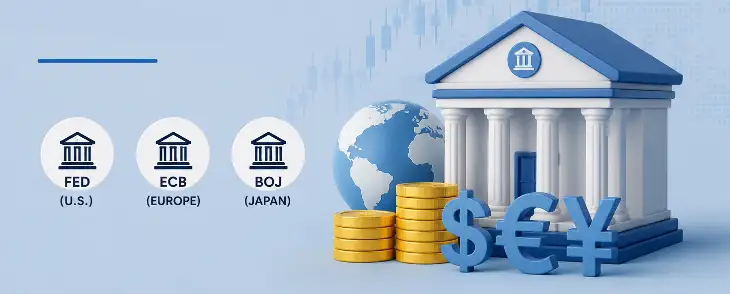
- The U.S. Federal Reserve controls USD interest rates
- The European Central Bank influences EUR rates
- The Bank of Japan manages JPY interest rates
When traders open forex positions, they indirectly borrow one currency to buy another.
The difference between these interest rates creates the overnight swap adjustment.
This is an important part of understanding Swap and Rollover in Forex Trading because these adjustments are tied to the structure of the global currency market itself.
How Swap Is Calculated
The exact swap amount depends on several factors.
Main Factors Affecting Swap Rates
- Interest rate difference between currencies
- Trade direction (buy or sell)
- Position size
- Broker pricing conditions
- Market liquidity
- Central bank policy changes
Different brokers may apply different swap rates even for the same currency pair.
This is why traders should always check swap information directly inside their broker’s trading platform.
Most brokers display:
- Long swap values
- Short swap values
- Daily rollover adjustments
Understanding these values helps traders estimate overnight holding costs more accurately.
Positive Swap vs Negative Swap
What Is Positive Swap
A positive swap occurs when traders earn interest for holding a position overnight.
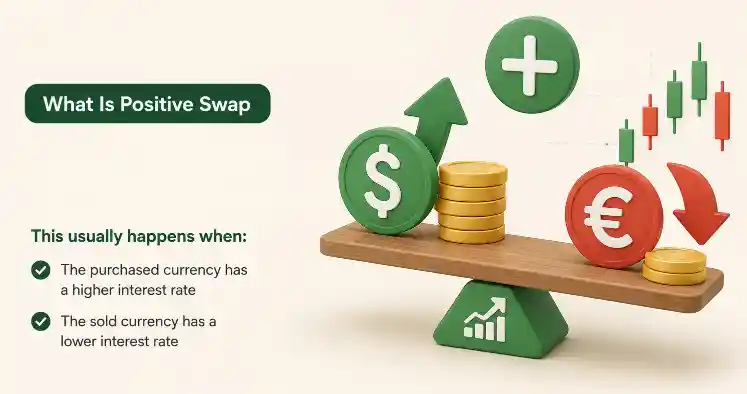
This usually happens when:
- The purchased currency has a higher interest rate
- The sold currency has a lower interest rate
Under certain market conditions, traders may receive small daily credits directly into their trading accounts.
What Is Negative Swap
A negative swap occurs when traders pay overnight interest charges.
This is more common for many retail traders depending on the currency pair and broker pricing model.
Negative swap can slowly reduce account profitability over time, especially for long-term trades.
This is why understanding Swap and Rollover in Forex Trading becomes increasingly important for swing traders and position traders.
Example of Swap and Rollover in Forex Trading
Imagine a trader opens a forex trade and decides to keep the position open overnight.
At the broker’s daily rollover time:
- The trade is automatically extended to the next trading day
- The broker calculates overnight interest adjustments
- The account receives either a charge or a credit
The exact amount depends on:
- Currency pair
- Position size
- Interest rate differences
- Broker conditions
This process repeats every day until the position is closed.
Why Swap Matters for Long-Term Traders
Swap and Rollover in Forex Trading become much more important for traders who hold positions for several days or weeks.
- Scalpers: Scalpers usually close trades quickly, so overnight swap has minimal impact.
- Day Traders: Day traders often close positions before rollover time to avoid overnight exposure.
- Swing Traders: Swing traders frequently keep positions open for multiple days, making swap costs more relevant.
- Position Traders: Long-term traders may experience significant accumulated swap adjustments over time.
Ignoring these costs can slowly reduce profitability, especially during extended holding periods.
Triple Swap Wednesday Explained
One of the most confusing topics for beginners learning Swap and Rollover in Forex Trading is triple swap Wednesday.
In the forex market, rollover adjustments are often charged three times on Wednesdays.
This happens because forex settlement systems account for weekend rollover adjustments ahead of time.
As a result:
- Wednesday swap charges may appear much larger than usual
- Positive swap credits may also increase
- Unexpected overnight adjustments may surprise beginners
Many traders first notice rollover costs during triple swap periods because the adjustment becomes much more visible.
Trader Insight: Why Beginners Ignore Swap Costs
Many beginner traders focus only on potential profits while ignoring hidden trading costs.
Common beginner mistakes include:
- Ignoring overnight holding fees
- Using excessive leverage
- Holding losing trades too long
- Failing to calculate long-term costs
- Trading without understanding rollover timing
Experienced traders understand that even small daily charges can accumulate significantly over time.
This is why professional traders monitor all trading expenses carefully, including spreads, commissions, and overnight swap adjustments.
Swap-Free Islamic Accounts
Some brokers offer swap-free accounts, also known as Islamic trading accounts.
These accounts are designed for traders who prefer not to pay or receive overnight interest adjustments.

However, traders should understand that:
- Alternative administrative fees may sometimes apply
- Conditions vary between brokers
- Not all trading instruments qualify
- Some brokers apply holding limits
Before opening this type of account, traders should carefully review all broker conditions and account policies.
How to Check Swap Rates on Trading Platforms
Most trading platforms allow traders to check swap information directly inside the market watch or symbol specification section.
Traders can usually view:
- Long swap rates
- Short swap rates
- Triple swap timing
- Daily rollover information
Checking these values before entering trades can help traders estimate potential overnight holding costs more accurately.
Difference Between Spread, Commission, and Swap
Many beginners confuse different trading costs when first learning forex trading.
- Spread: The spread is the difference between the bid and ask price.
- Commission: Commission is a broker service fee charged for trade execution.
- Swap: Swap is the overnight interest adjustment applied when positions remain open after rollover time.
Understanding all three costs is important because they collectively influence long-term trading profitability.
How Swap Can Affect Risk Management
Swap costs may appear small initially, but they can affect risk management decisions over time.
For example:
- Holding losing trades too long may increase swap expenses
- Long-term trades may become less profitable due to overnight costs
- Excessive leverage can amplify swap-related account pressure
This is why traders should include overnight costs in their overall trade planning process.
Understanding Swap and Rollover in Forex Trading helps traders manage positions more responsibly instead of focusing only on price movement.
Common Beginner Mistakes
- Ignoring Overnight Costs: Many beginners forget that overnight positions may create additional trading expenses.
- Holding Losing Trades for Too Long:Swap charges may continue increasing while traders avoid closing losing positions.
- Not Checking Broker Conditions: Different brokers apply different rollover rates and account policies.
- Confusing Swap With Commission:
Swap adjustments are different from spreads and trading commissions.
Ignoring Triple Swap Periods
Many beginners are surprised by larger rollover adjustments during Wednesdays.
Practical Tips for Managing Swap Costs
- Check swap rates before entering long-term trades
- Avoid unnecessary overnight exposure
- Understand your broker’s rollover timing
- Monitor triple swap periods carefully
- Use proper risk management
- Review long-term holding costs regularly
- Avoid emotional trade holding behavior
Managing trading costs properly is an important part of long-term trading discipline.
Safety Analysis: Is Swap Dangerous for Forex Traders?
Swap itself is not automatically dangerous, but ignoring overnight trading costs can create problems over time.
Many traders focus only on market direction while forgetting that holding positions for extended periods may create additional expenses.
The biggest risks usually come from:
- Poor trade management
- Excessive leverage
- Holding trades emotionally
- Ignoring broker conditions
- Failing to calculate total trading costs
Traders who understand Swap and Rollover in Forex Trading are generally better prepared to manage long-term positions responsibly.
Final Thoughts
Understanding Swap and Rollover in Forex Trading is important for anyone planning to keep positions open overnight.
While many beginners focus mainly on price movement and technical analysis, experienced traders also pay close attention to hidden trading costs that may affect long-term profitability.
Swap adjustments may appear small at first, but over time they can influence overall account performance significantly.
Learning how rollover works helps traders manage positions more responsibly, avoid unexpected account charges, and develop better long-term trading discipline.
Whether you are a beginner or an experienced trader, understanding every aspect of forex trading costs is an important part of building a more professional trading approach.

