

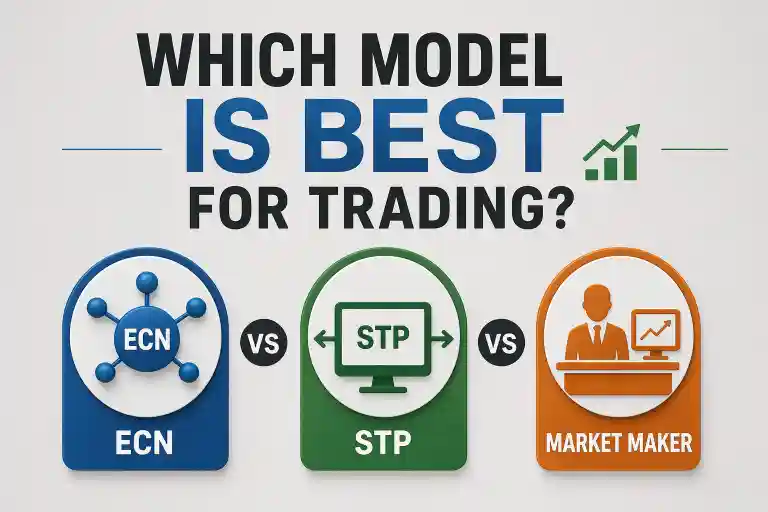
Spread vs Commission in Forex Trading is one of the most important topics every trader must understand before choosing a broker or trading account. Whether you are a beginner or an experienced trader, knowing how trading costs work can directly impact your profitability.
In the forex market, brokers typically charge traders using two main pricing models: spreads and commissions. While both represent the cost of executing trades, they operate differently and affect trading strategies in unique ways. Understanding these differences helps traders make smarter decisions and manage their overall expenses effectively.
What is Spread in Forex Trading
The spread is the difference between the bid price (the price at which you can sell) and the ask price (the price at which you can buy) of a currency pair. It is the most commonly used pricing method in forex trading.
For example, if a currency pair like EUR/USD is quoted at 1.1000 (bid) and 1.1002 (ask), the spread is 2 pips. This difference represents the broker’s fee for executing the trade.
Key Features of Spread
- The cost is automatically included in the trade price
- No separate fee is charged
- Can be fixed or variable depending on market conditions
- Commonly used in standard trading accounts
How Spread Affects Trading
When you open a trade, it immediately starts with a small loss equal to the spread. This means the market must move in your favor by at least the spread amount before you reach breakeven.
In Spread vs Commission in Forex Trading, spreads are often preferred by traders who want a simple cost structure without additional calculations.
What is Commission in Forex Trading
A commission is a direct fee charged by the broker for executing a trade. This fee is usually applied alongside very tight or near-zero spreads, especially in ECN or raw spread accounts.

Key Features of Commission
- Charged per trade (per lot or per side)
- Common in ECN and professional trading accounts
- Works with low or raw spreads
- Provides a transparent pricing structure
How Commission Affects Trading
in Spread vs Commission in Forex Trading, Instead of paying through wider spreads, traders pay a fixed fee for each trade. This makes the cost structure more predictable and easier to calculate, especially for high-volume traders.
In Spread vs Commission in Forex Trading, commission-based pricing is often preferred by traders who need precise cost control.
Spread vs Commission in Forex Trading: Key Differences
Understanding the difference between these two models is essential for choosing the right account type. Below is a clear comparison:
- Cost Structure: Spread is built into the price, while commission is charged separately
- Transparency: Spread is less visible, whereas commission is clearly defined
- Account Type: Spread-based accounts are standard, commission-based accounts are ECN/raw
- Trading Style: Spread suits casual traders, commission suits active traders
- Pricing Model: Spread can be fixed or variable, commission is usually fixed per trade
This comparison highlights why Spread vs Commission in Forex Trading is not about which is better overall, but which is better for your trading style.
Which is Better for Trading
The choice between spread and commission depends largely on how you trade and how often you enter the market.
Spread-Based Accounts
- Suitable for beginners and casual traders
- Simpler cost structure with no additional fees
- Ideal for swing trading or long-term positions
Commission-Based Accounts
- Best for scalpers and active traders
- Offers tighter spreads for better entry and exit points
- More accurate cost calculation for high-frequency trading
In Spread vs Commission in Forex Trading, neither model is universally better—it depends entirely on your strategy and trading frequency.
Real Trading Scenario
Consider two different trading accounts:
- Account A offers a spread of 2 pips with no commission
- Account B offers a spread of 0.2 pips with a small commission
At first glance, Account A may seem simpler. However, when you calculate the total trading cost, Account B may actually be more cost-efficient, especially for larger trade sizes.
This example clearly shows why traders should always evaluate the total cost instead of focusing only on spreads or commissions individually.
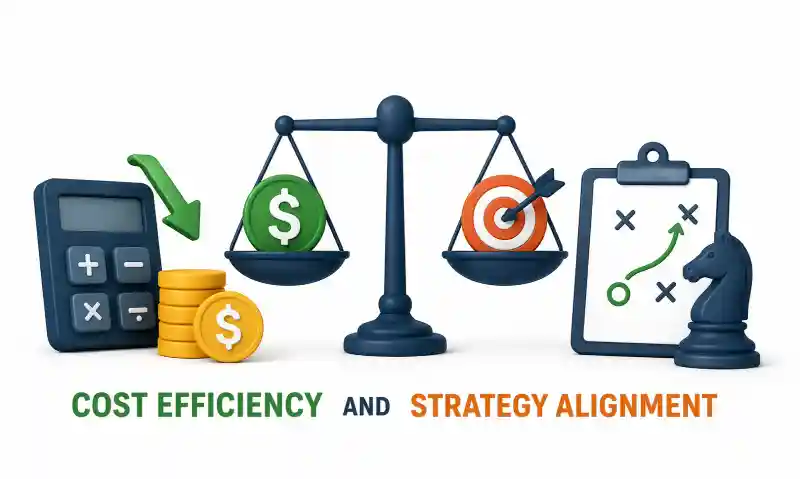
Cost Efficiency and Strategy Alignment
Matching your trading strategy with the right pricing model is essential for long-term success.
- Scalping: Works better with low spreads and commission-based accounts
- Day Trading: Can benefit from both models depending on trade frequency
- Swing Trading: Often more suitable for spread-only accounts
- Position Trading: Spread-based pricing is usually more convenient
In Spread vs Commission in Forex Trading, traders must focus on how costs impact their specific strategy rather than choosing based on general assumptions.
Common Mistakes Traders Make
Many traders misunderstand trading costs and make decisions based on incomplete information. Here are some common mistakes:
- Focusing only on low spreads without considering commission
- Ignoring total cost per trade
- Choosing account types without aligning with trading style
- Not understanding how variable spreads can change in volatile markets
A proper understanding of Spread vs Commission in Forex Trading helps avoid these mistakes and improves decision-making.
Final Thoughts
Spread and commission are the core components of trading costs in forex. While both serve the same purpose, their structure and impact on trading differ significantly.
Understanding Spread vs Commission in Forex Trading allows traders to choose the most suitable pricing model, reduce unnecessary costs, and improve overall trading performance. The key is not to look for the cheapest option, but the most efficient one based on your trading strategy.
Before selecting any broker or account type, always calculate the total cost of trading and ensure it aligns with your long-term goals.
For a deeper understanding of how brokers structure pricing and execution models, explore our detailed comparison on ECN vs STP vs Market Maker in Forex.

